New cylinder or refurbished? When a critical mill-duty cylinder fails, the real cost isn’t just the price tag — it’s the weeks your line stays down.
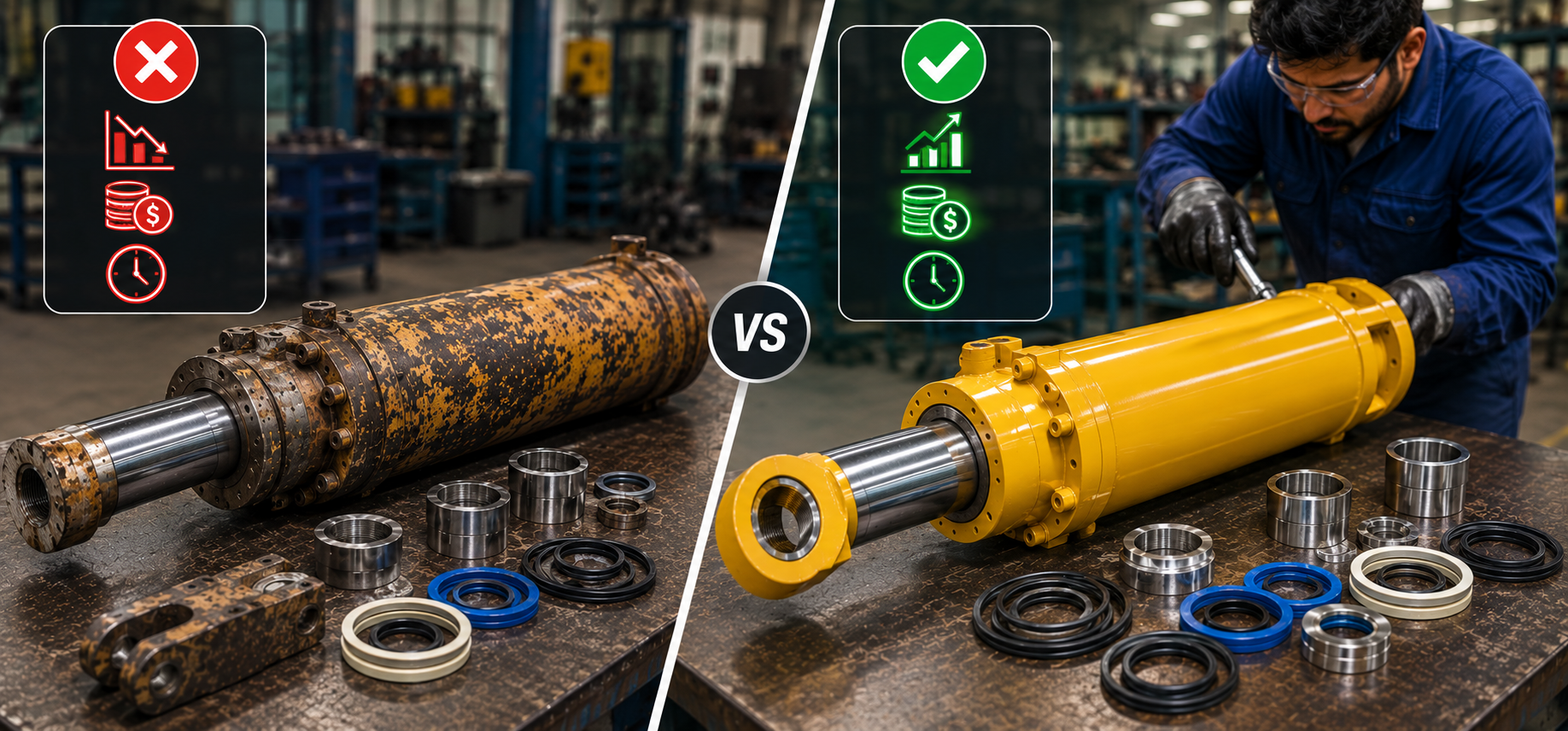
When a hydraulic cylinder fails on a rolling mill or continuous casting line, the instinct is often to order a replacement. But for plant engineers managing steel, cement, or mining operations, the real question isn’t “how much does a new cylinder cost” — it’s “how long will my line be down while I wait for one.”
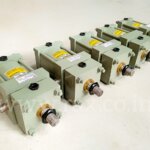
A new OEM cylinder typically takes 12–24 weeks to arrive, especially for imported or custom mill-duty specifications. During that window, plants either run on a compromised backup or absorb the cost of extended downtime — often far exceeding the price of the cylinder itself.
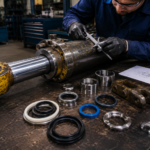
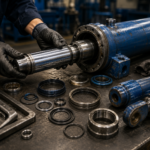
Refurbishment changes that equation. At RAX, a full rebuild — rod re-chroming, bore honing, seal replacement, and pressure testing — is typically completed in 3–5 weeks, at 25–60% of new procurement cost. For plants with cylinders already in service, refurbishment also means no dependency on restricted OEM drawings or proprietary spares, since our design team can reverse-engineer bore, rod, and seal specifications directly from the damaged unit.
This is exactly the total cost of ownership lens that leading steel producers are now applying to maintenance decisions — not just unit price, but lead time, downtime impact, and lifecycle traceability. A refurbished cylinder, done right, comes with the same documentation rigor as a new one: inspection reports, pressure test certificates, and dimensional records, all signed off before dispatch.
We recently completed a full rebuild of a critical dump cylinder for continuous-duty material handling equipment — a job with zero OEM local support and no drawings available. Full strip-down, rod regrinding, bore honing, and premium seal replacement (Freudenberg) had the unit back in service within weeks, with no reported failures since.
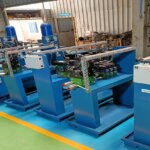
For plants managing dozens of hydraulic assets across mills, furnaces, and handling equipment, the math is simple: faster turnaround, lower cost, and a documentation trail that satisfies audit requirements — without the wait.